Keeping freight moving across three borders
A shipment moving from Canada to Mexico crosses two borders, not one, and each crossing has its own customs authority, its own documentation standard and its own tolerance for a mismatch. The freight rarely sits in a yard because the truck was late. It sits because paperwork prepared for one jurisdiction didn't hold up in the next.
Three jurisdictions, three sets of rules
Canada, the United States and Mexico each run their own customs authority, and each expects documentation formatted to its own standard. A commercial invoice that clears in Canada without issue can get flagged in Mexico for a missing detail Canadian customs never asks for. Freight moving the full corridor doesn't get one review — it gets three.
That's the part shippers underestimate most. It's not that the rules are difficult individually. It's that a plan built around one country's requirements quietly breaks the moment the shipment crosses into the next.
Where shipments actually lose days
- Commercial invoice, bill of lading and certificate of origin that don't match each other on weight, value or description
- A certificate of origin filed incorrectly, or missing where preferential tariff treatment under USMCA is being claimed
- Tariff classification that doesn't match what the customs officer expects to see for that commodity
- Documentation prepared for the outbound crossing that wasn't updated for the crossing into the third country
The pattern we see most
A hold rarely comes from one big error. It comes from a small mismatch — a value on the invoice that doesn't match the bill of lading — that's invisible until an officer catches it at the line.
Pre-filing is what turns a border into a formality
Documentation gets prepared and reviewed before the truck is anywhere near the crossing, not while it's sitting in the queue. Entries are pre-filed with customs, a bonded carrier is confirmed for the leg that requires one, and every document is checked against the others for consistency before it travels with the load.
“The goal isn't to move fast at the border. It's to have nothing left to review when the truck gets there.”
One point of contact, not three handoffs
A shipment crossing three countries often passes through three different brokers and three different carriers if it's not managed as one move. Each handoff is a place where a detail can get lost. Managing the corridor as a single shipment, with one person accountable for the paperwork at every stage, is what keeps a small inconsistency from turning into an 18-hour hold at the line.
None of this makes the crossing more complicated. It moves the complexity earlier, into the office, where a mismatch costs an email instead of a day.
The short version
- Canada, the USA and Mexico each run their own customs process — matching paperwork to the wrong jurisdiction is the most common cause of a hold.
- The commercial invoice, bill of lading and certificate of origin have to agree with each other exactly, down to weights, values and descriptions.
- Pre-filing documentation before the truck reaches the line is what turns a border crossing into a formality instead of a delay.
- A bonded carrier and one point of contact tracking the shipment end to end catches a mismatch before it becomes a hold.
Keep reading
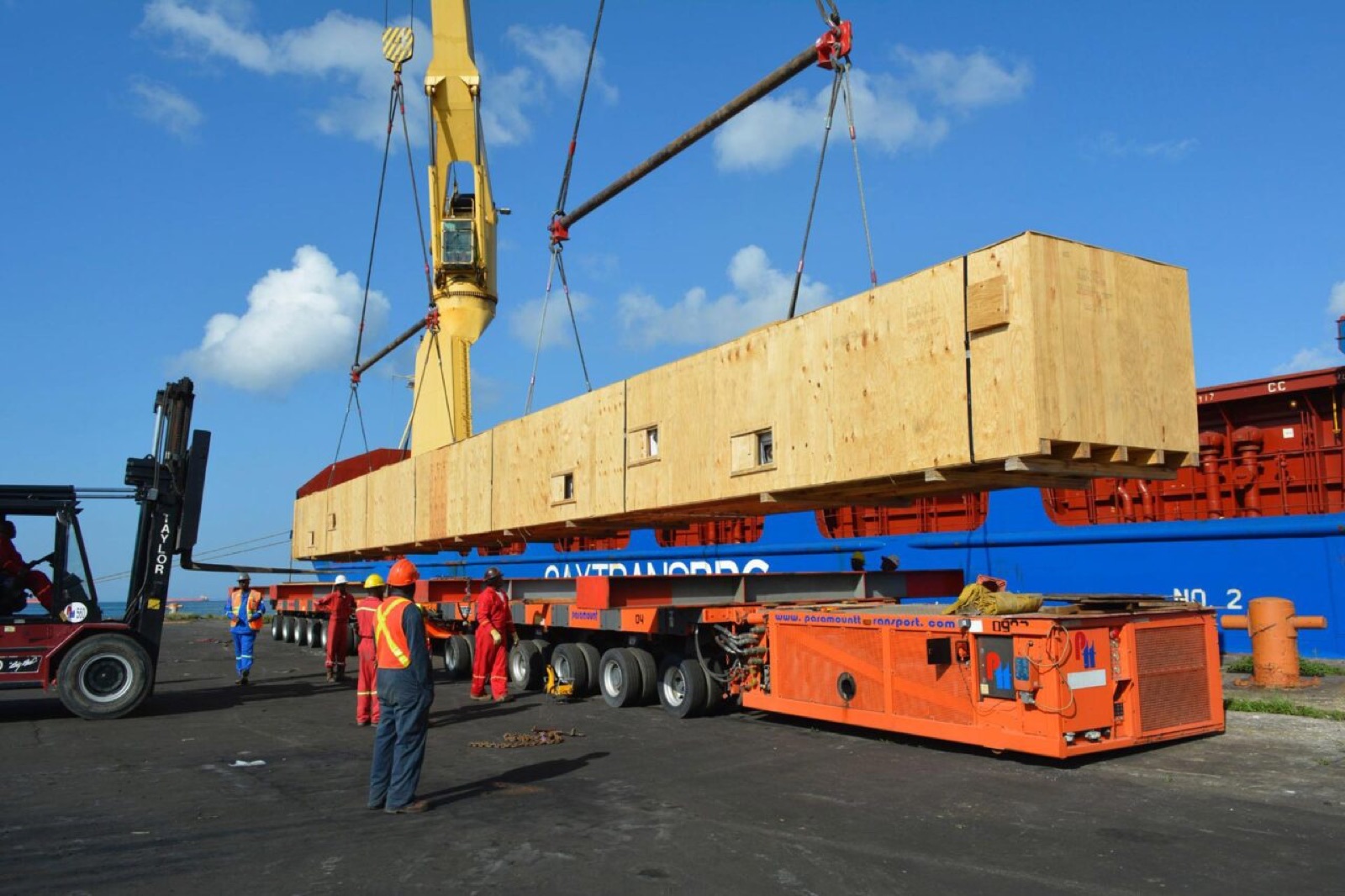
What actually goes into moving an oversized load
Permits, route surveys, escorts and lift plans. A plain look at the work that happens before a wheel ever turns.
6 min readRead the article
Classification mistakes that cost you at the line
The small documentation errors that trigger holds and penalties, and how to clear clean the first time.
4 min readRead the articleHave a shipment that won't fit the standard playbook?
Tell us what you're moving. We'll come back with a plan, a timeline, and a single point of contact who owns it end to end.