Classification mistakes that cost you at the line
A wrong tariff code on a commercial invoice looks like a small clerical error. To customs, it's a compliance question, and it's treated that way — with a hold, a request for more information, or in some cases a penalty. The mistake is rarely intentional. It's usually a code that was close enough last time and never got checked against this shipment.

Why classification carries more weight than it looks like
The tariff classification on a shipment isn't a label — it determines the duty rate charged, whether the goods qualify for preferential treatment, and what supporting documentation customs expects to see. Get the code wrong and every downstream decision, from the duty owed to the paperwork required, is built on the wrong foundation.
Customs officers see thousands of entries. A classification that doesn't match the goods description, or doesn't fit the pattern for that commodity, is exactly the kind of inconsistency that gets a shipment pulled for a closer look.
The mistakes we see most often
- Reusing a tariff code from a similar past shipment without confirming it still fits this commodity
- Classifying by the product's common name instead of its material composition or function, which is often what the tariff schedule actually keys on
- Missing or outdated documentation to support a claim for preferential tariff treatment under a trade agreement
- A declared value that doesn't match the commercial invoice, raising a valuation question alongside the classification one
What a hold actually costs
The duty difference is rarely the expensive part. Storage fees, demurrage, and a delivery date that no longer holds are what turn a classification error into a real cost.
How shipments clear clean the first time
For a commodity that's shipped before and hasn't changed, the existing classification usually holds — the discipline is checking it, not reinventing it. For anything new, modified, or genuinely borderline, that's where a broker review or a binding ruling earns its cost: it settles the classification before it's tested at a border crossing, not during one.
“Every classification should be defensible on its own, not just consistent with the last invoice.”
Consistency across every document, every time
The code, the goods description, the declared value and the country of origin all have to tell the same story across the commercial invoice, the bill of lading and the customs entry. When they do, most shipments clear without a second look. When they don't, that's the inconsistency an officer is trained to catch.
None of this requires a customs law degree on the shipper's side. It requires classification treated as a compliance step with its own review, not a field copied forward from the last shipment.
The short version
- Tariff classification decides the duty rate and the paperwork a shipment needs — get it wrong and both are wrong.
- Reusing a code from a similar past shipment is the most common source of misclassification, not unfamiliarity with the system.
- A held shipment costs more than the duty difference — storage, demurrage and a damaged delivery date all stack on top of it.
- A binding ruling or broker review on new or borderline commodities settles the classification before it's tested at the border.
Keep reading
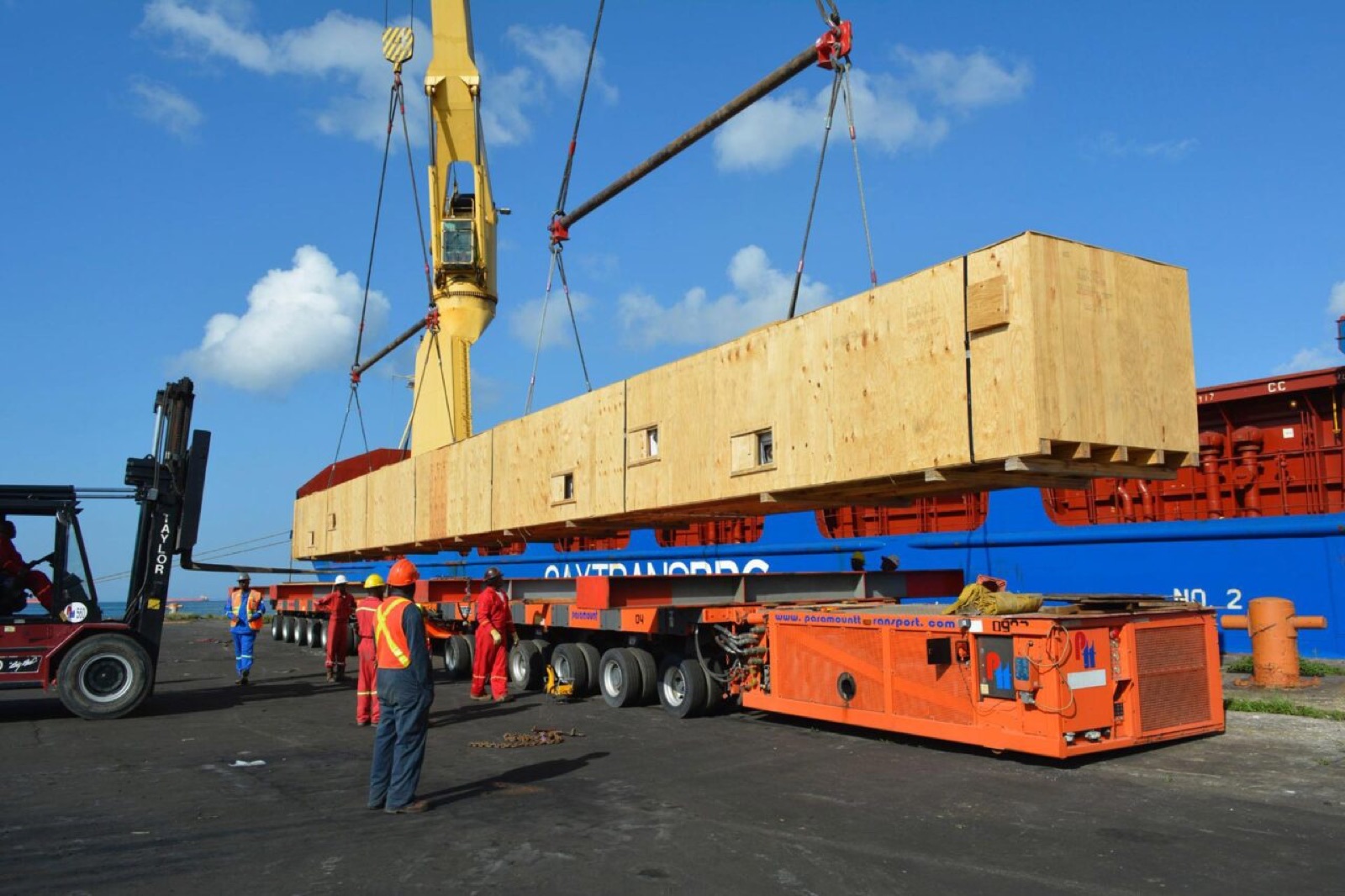
What actually goes into moving an oversized load
Permits, route surveys, escorts and lift plans. A plain look at the work that happens before a wheel ever turns.
6 min readRead the article
Keeping freight moving across three borders
Where shipments lose days between Canada, the USA and Mexico, and how the right paperwork keeps them out of the yard.
5 min readRead the articleHave a shipment that won't fit the standard playbook?
Tell us what you're moving. We'll come back with a plan, a timeline, and a single point of contact who owns it end to end.